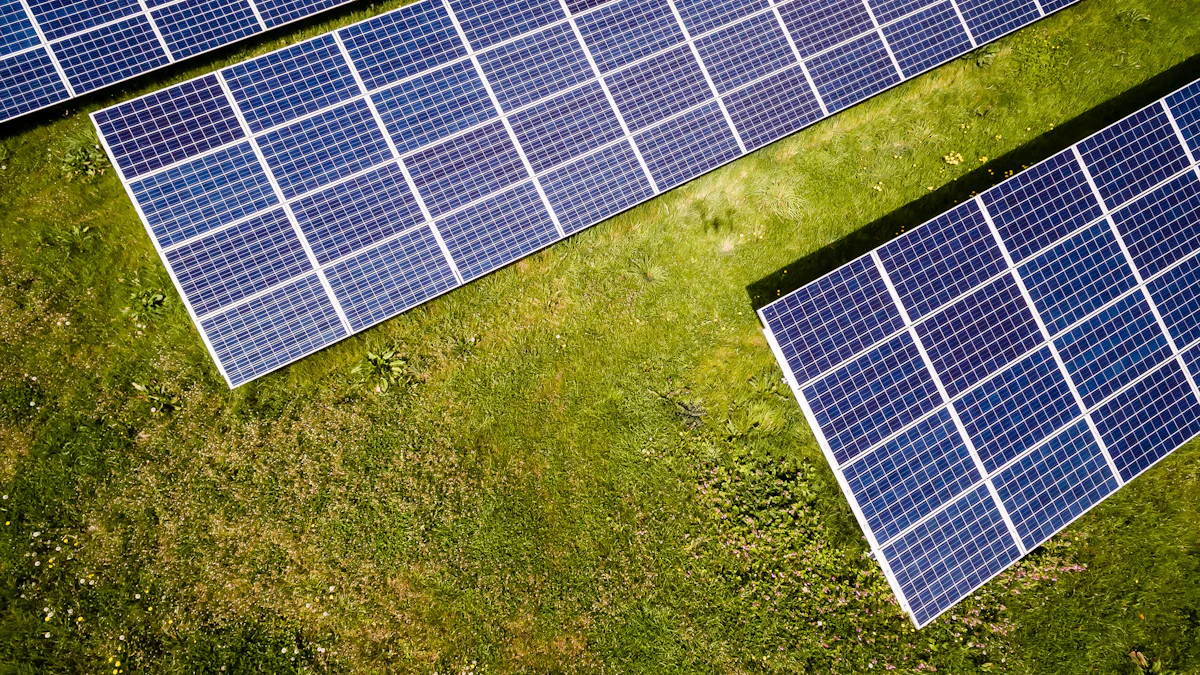
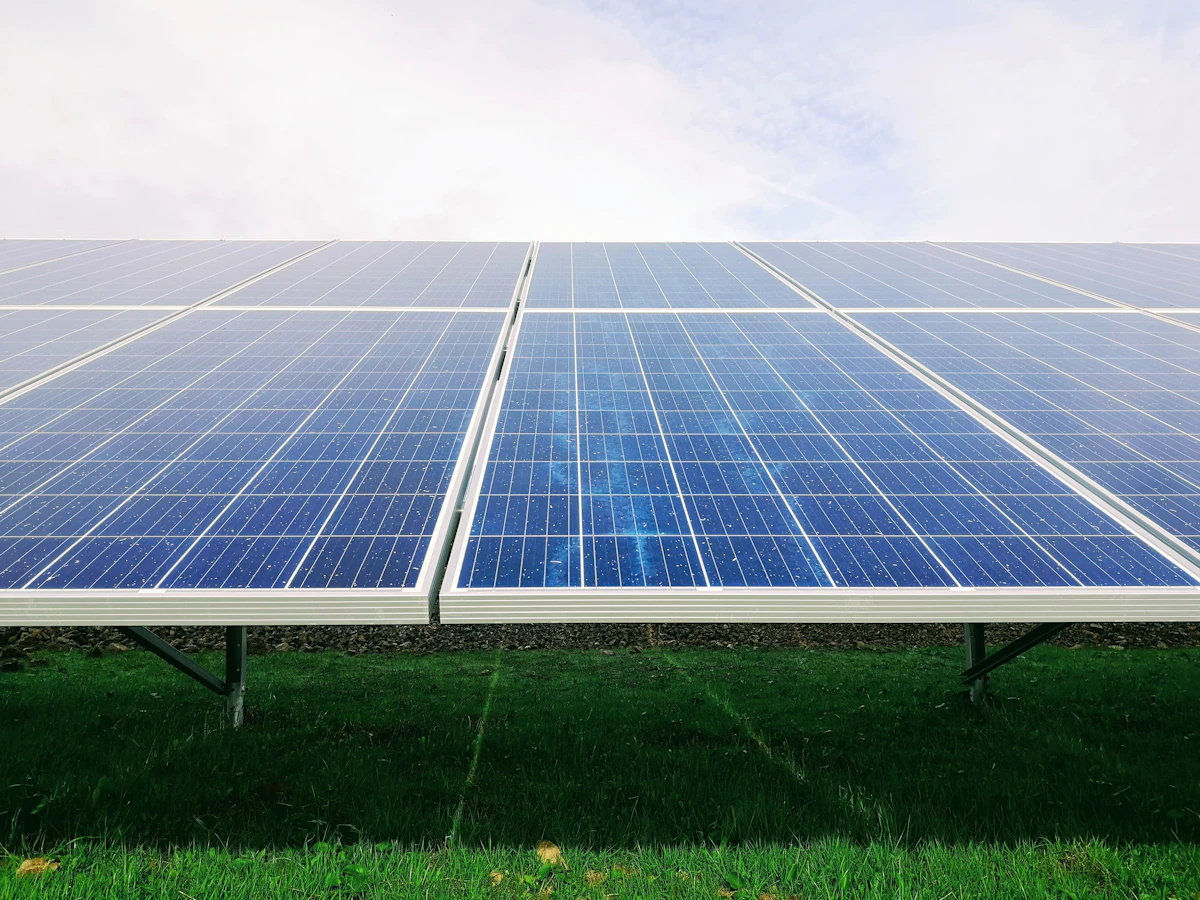
Bifacial Solar Panels: Do They Make Sense for Your Roof or Ground Mount?
How Bifacial Panels Work
A conventional monofacial solar panel has an opaque white or black backsheet. Its rear surface absorbs no light.
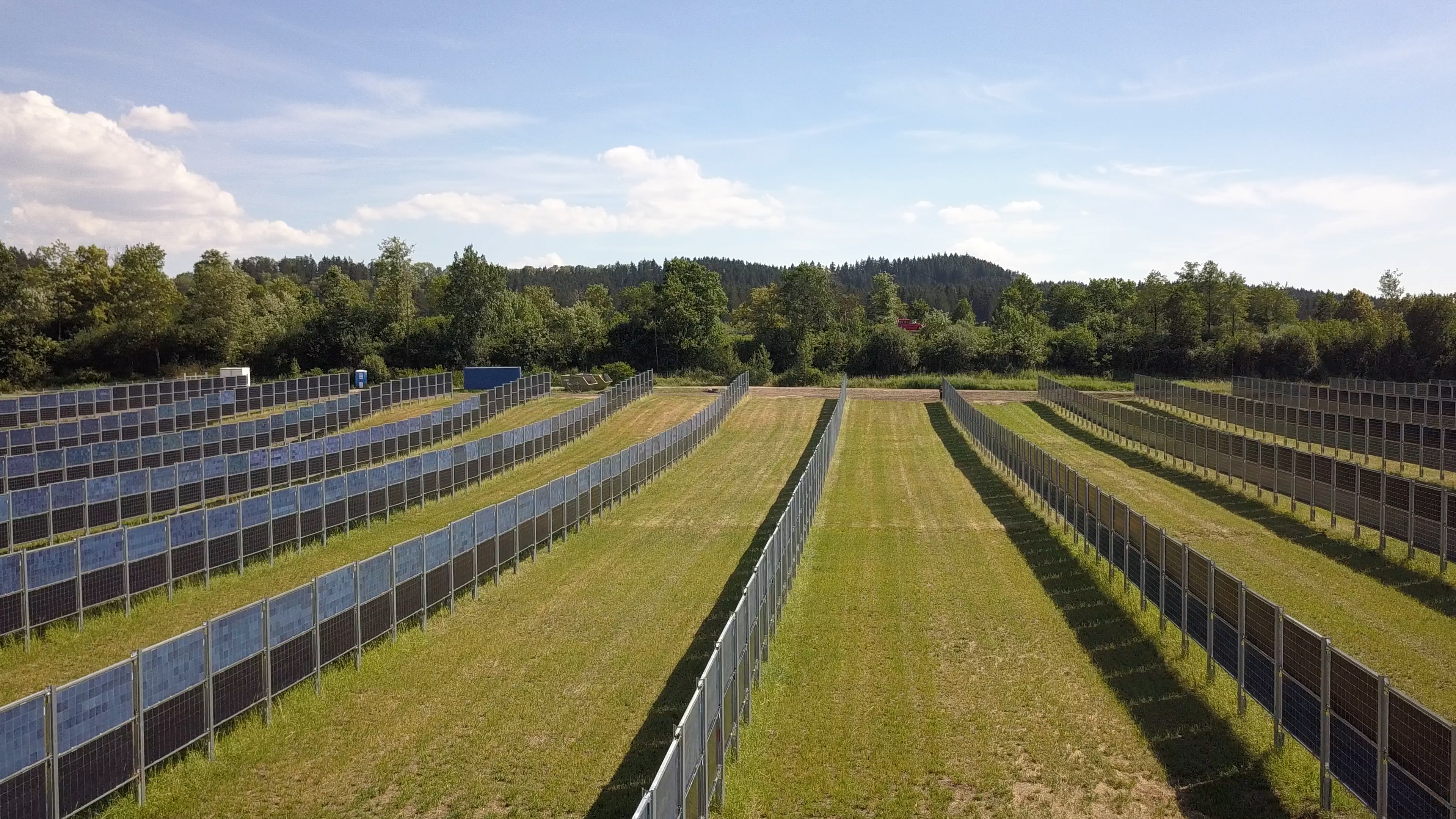
A bifacial panel replaces the opaque backsheet with transparent glass or a clear polymer, exposing the rear silicon cells to light. When installed above a reflective surface, diffuse and reflected light strikes the rear face and generates additional power -- typically 5-30% extra beyond the front-face rating.
The light bouncing off the surface below a panel is called albedo radiation. White surfaces (snow, white gravel, white TPO membrane roofing) have high albedo (0.70-0.80). Dark surfaces (asphalt shingles, soil) have low albedo (0.10-0.20).
The Bifacial Gain Calculation
Bifacial gain (%) = Rear irradiance (W/m2) x Bifaciality factor divided by Front irradiance (W/m2) x 100
The bifaciality factor (typically 0.65-0.75) is the ratio of rear-face cell efficiency to front-face efficiency.
Example (ground mount, white gravel, clear day):
- Front irradiance: 1,000 W/m2
- Rear irradiance: 250 W/m2 (albedo 0.30 x elevation factor)
- Bifaciality factor: 0.70
- Bifacial gain: 17.5%
When Bifacial Delivers Maximum Benefit
Ground-mount systems with high-albedo surface below
- White crushed gravel: 25-35% gain possible
- Green grass: 10-15%
- Dark soil: 5-8%
- Elevated racking (18-36 inches above ground): higher rear irradiance from larger view factor
- White TPO or PVC membrane: excellent albedo
- Elevated ballasted racking allows rear light access
- Typical gain: 10-20%
When Bifacial Underdelivers
Steep residential roofs with flush or close-clearance racking (3-6 inches) At very close clearance, the rear sees mostly the opaque roof surface and very little sky. Typical gain: 1-4% -- barely measurable.
The bifacial premium is approximately $0.05-$0.10/W over equivalent monofacial panels. On a 10 kW flush-mounted residential system, you pay $500-$1,000 extra for a 1-4% gain. ROI can exceed 30 years -- rarely worth it.
Cost Comparison
| Scenario | Bifacial Gain | Annual Extra Energy (10 kW) | Extra Cost | Payback |
|---|
| Elevated ground mount, white gravel | 20% | 2,200 kWh | $750 | 3.5 years |
|---|
| Flat roof, TPO, ballasted | 15% | 1,650 kWh | $750 | 4.5 years |
|---|
| Steep residential flush mount | 3% | 330 kWh | $750 | 23 years |
|---|
Our Recommendation
Bifacial panels deliver compelling ROI for elevated ground mounts and flat commercial rooftop installations with light-coloured surfaces. For steep residential roofs with flush racking, the premium is rarely justified -- invest the price difference in additional monofacial panels or a larger battery.