The 30% Federal Solar Investment Tax Credit: A Complete Homeowner's Guide

What Is the Federal Solar Tax Credit?
The Residential Clean Energy Credit (commonly called the Investment Tax Credit or ITC) was established by the Inflation Reduction Act of 2022 and allows US homeowners to deduct 30% of the total cost of a solar system from their federal income taxes. It applies through 2032, steps down to 26% in 2033 and 22% in 2034, then expires for residential installations in 2035.
This is a tax credit, not a deduction. A deduction reduces your taxable income; a credit reduces your tax bill dollar for dollar. A $6,000 credit means you owe $6,000 less to the IRS.
What Qualifies?
Solar panels: All UL-listed photovoltaic modules qualify, regardless of brand or wattage.
Inverters: String inverters, microinverters, and hybrid inverters all qualify.
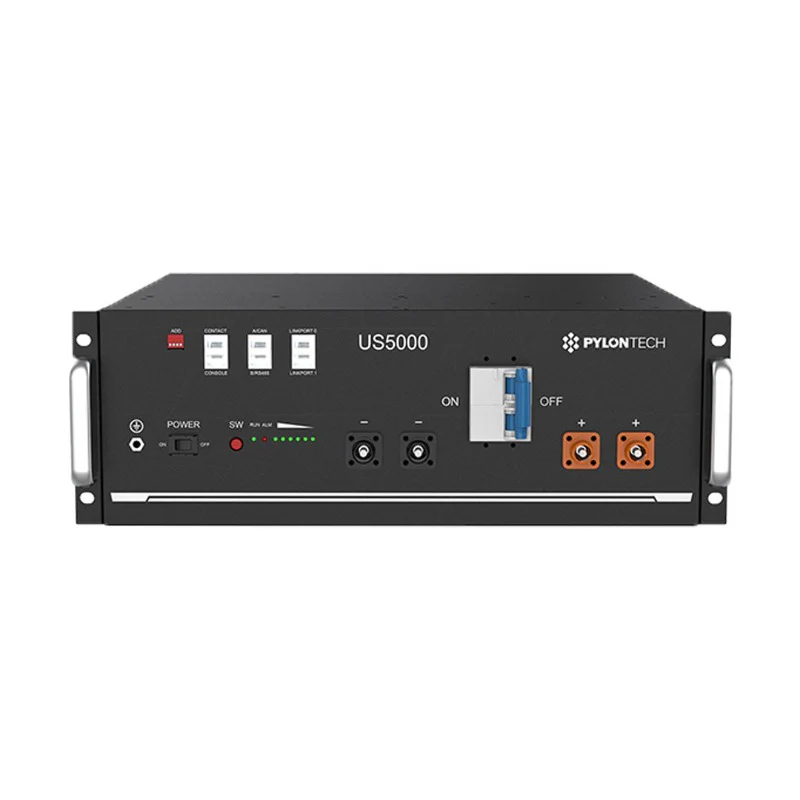
Battery storage: Batteries charged primarily by solar qualify for the full 30% credit.
Installation labor: Electrician costs, permit fees, engineering fees, and labor charges for mounting, wiring, and commissioning all qualify.
Sales tax: The sales tax you paid on qualifying equipment is included in the credit base.
What does NOT qualify:
- Generator fuel or maintenance
- Equipment for heating water using solar thermal (covered by a separate credit)
Credit Base Example
| Cost Component | Amount |
|---|
| Solar panels (10 panels x 400W) | $8,000 |
|---|
| String inverter | $2,200 |
|---|
| Battery (10 kWh LiFePO4) | $7,000 |
|---|
| Mounting hardware | $800 |
|---|
| Electrical installation labor | $3,500 |
|---|
| Permit and inspection fees | $400 |
|---|
| Sales tax on equipment | $900 |
|---|
| Total system cost | $22,800 |
|---|
| 30% ITC credit | $6,840 |
|---|
| Net out-of-pocket | $15,960 |
|---|
How to Claim It
The credit is claimed on IRS Form 5695 (Residential Energy Credits), which you file with your Form 1040 in the tax year the system is placed in service (the year installation is complete and operational).
You do not need to install the system in January to claim the credit for that tax year -- a system completed in November of Year 1 qualifies for a Year 1 credit.
Carryforward Provision
If your tax liability for the year is less than the credit amount, the unused portion carries forward to the following tax year.
Example: Your system generates a $9,000 credit but your tax liability is $5,000. You apply $5,000 in Year 1 and carry forward $4,000 to Year 2.
Important: The ITC is a non-refundable credit. It can reduce your tax bill to zero but will not generate a refund check. You need sufficient tax liability to fully benefit.
State-Level Incentives
Many states offer additional incentives that stack on top of the federal ITC:
- California: Property tax exemption on solar system value
- Massachusetts: Additional state tax credit up to $1,000, plus SMART program incentive
- New York: State tax credit of 25% (up to $5,000)
- Texas: Property tax exemption (no additional income tax credit)
Common Mistakes
- Claiming the credit before the system is operational. If your panels are delivered in December but not installed until January, the credit belongs to the January tax year.
- Excluding labor costs from the credit base. Labor is fully includable -- many homeowners underestimate their credit.
- Assuming the credit applies to lease or PPA payments. If you lease your solar system, you do not own it and do not qualify for the ITC.
- Not accounting for carryforward when planning cash flow. If your annual tax liability is $4,000 but your credit is $8,000, plan for a 2-year carryforward period.