The Core Difference
A grid-tied system connects your solar array to the utility grid. When your panels produce more power than you consume, excess flows back to the grid and credits your bill (net metering). When production falls short -- at night, on cloudy days -- you draw from the grid as normal.
An off-grid system is entirely self-contained: your solar array charges a battery bank, and the battery powers your home 24/7. No utility connection exists.
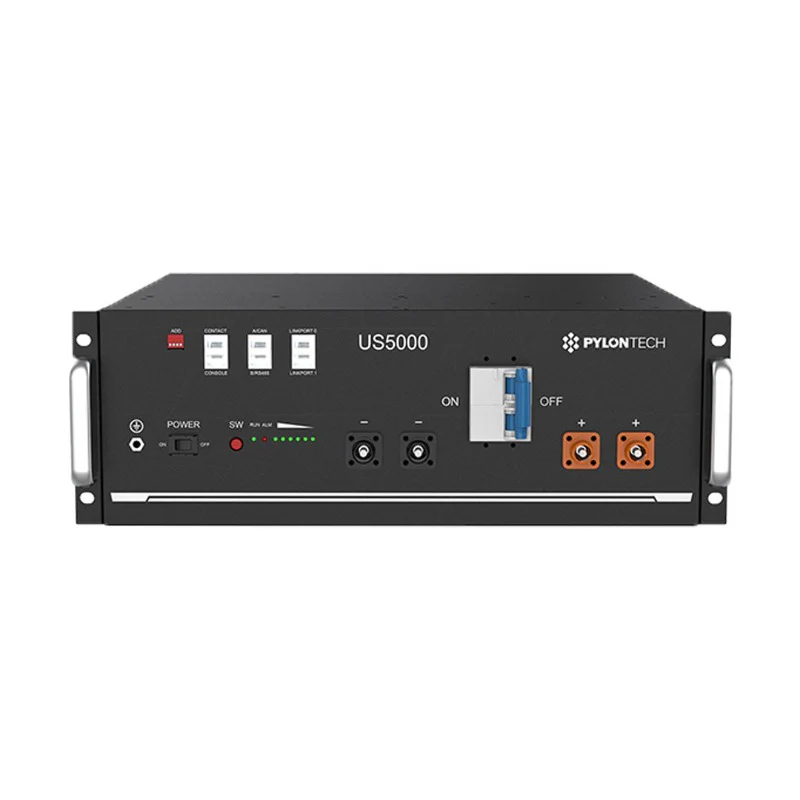
A hybrid system is grid-tied but includes batteries. It can island during outages, export excess solar, and import from the grid when needed.
Grid-Tied: Pros and Cons
Advantages
- Lowest upfront cost: No batteries required. A 10 kW grid-tied system with string inverter runs $18,000-$28,000 installed before the 30% ITC -- roughly 30-50% less than an equivalent hybrid system.
- Unlimited backup: The grid is an infinite battery. No autonomy anxiety on cloudy weeks.
- Net metering: In most jurisdictions, excess generation credits your bill at or near retail rate, yielding a payback period of 7-10 years.
- Simpler maintenance: No batteries to monitor or replace every 8-15 years.
Disadvantages
- No power during outages. Grid-tied inverters are required by NEC to shut down during a grid outage -- a critical safety rule to protect utility workers. Without batteries, a power cut means no power regardless of solar production.
- Subject to NEM policy changes: California NEM 3.0 dramatically cut export rates. Policy risk is real.
Off-Grid: Pros and Cons
Advantages
- Complete energy independence: No utility bills, no outage exposure, available in any location.
- Necessary where grid access is unavailable or prohibitively expensive: Grid extension in rural areas can cost $15,000-$50,000+ per mile. Off-grid solar often costs less than connection fees alone.
Disadvantages
- Significantly higher system cost: A properly sized off-grid system for an average US home (30 kWh/day) requires 10-15 kW of panels and 30-60 kWh of battery capacity. Battery cost alone can exceed $20,000. Total installed cost: $40,000-$80,000.
- Requires disciplined load management: Energy conservation is critical during winter, cloudy periods, or high-consumption events.
- Generator often required as backup: A propane or diesel generator adds cost and maintenance.
- Battery replacement cycle: LiFePO4 batteries last 10-15 years. You will replace them once during a typical 25-year panel lifespan.
Hybrid: The Middle Path
For most residential customers in areas with reliable grid access but recurring outage risk (hurricanes, wildfires, ice storms), a hybrid system provides the best of both worlds:
- Grid-tied economics: net metering, simple tariff, no generator needed under normal conditions
- Battery backup: 10-30 kWh of storage powers critical loads (refrigerator, lights, internet, medical equipment) through most outages
- Minimal lifestyle compromise: battery is sized for resilience, not total energy independence
California NEM 3.0 has made hybrid particularly compelling: export credits are reduced, making self-consumption through batteries more valuable than grid export.
Decision Framework
| Situation | Recommended System |
|---|
| ----------- | ------------------- |
| Urban/suburban home with reliable grid | Grid-tied (add batteries if outage resilience needed) |
|---|
| Grid access but frequent multi-day outages | Hybrid |
|---|
| Rural property without grid access | Off-grid |
|---|
| Grid access costs more than off-grid system | Off-grid |
|---|
| Budget is primary constraint | Grid-tied |
|---|
| Energy independence is the goal | Hybrid or off-grid |
|---|
Sizing Implication
Off-grid systems must be sized for your worst-case month -- typically December or January when solar irradiance is lowest and heating loads are highest. Grid-tied systems can be optimised for annual average production. This is why off-grid arrays are typically 2-3x larger than grid-tied arrays for the same home.
Use the Gridtrove Solar Wizard to model your specific location and consumption profile. The Wizard calculates array size, battery capacity, and estimated payback for grid-tied, hybrid, and off-grid scenarios in under 2 minutes.