The Fundamental Difference
A standby generator runs on fuel (natural gas, propane, or diesel). It starts automatically when grid power fails and burns fuel for as long as the outage lasts. Power capacity is effectively unlimited.
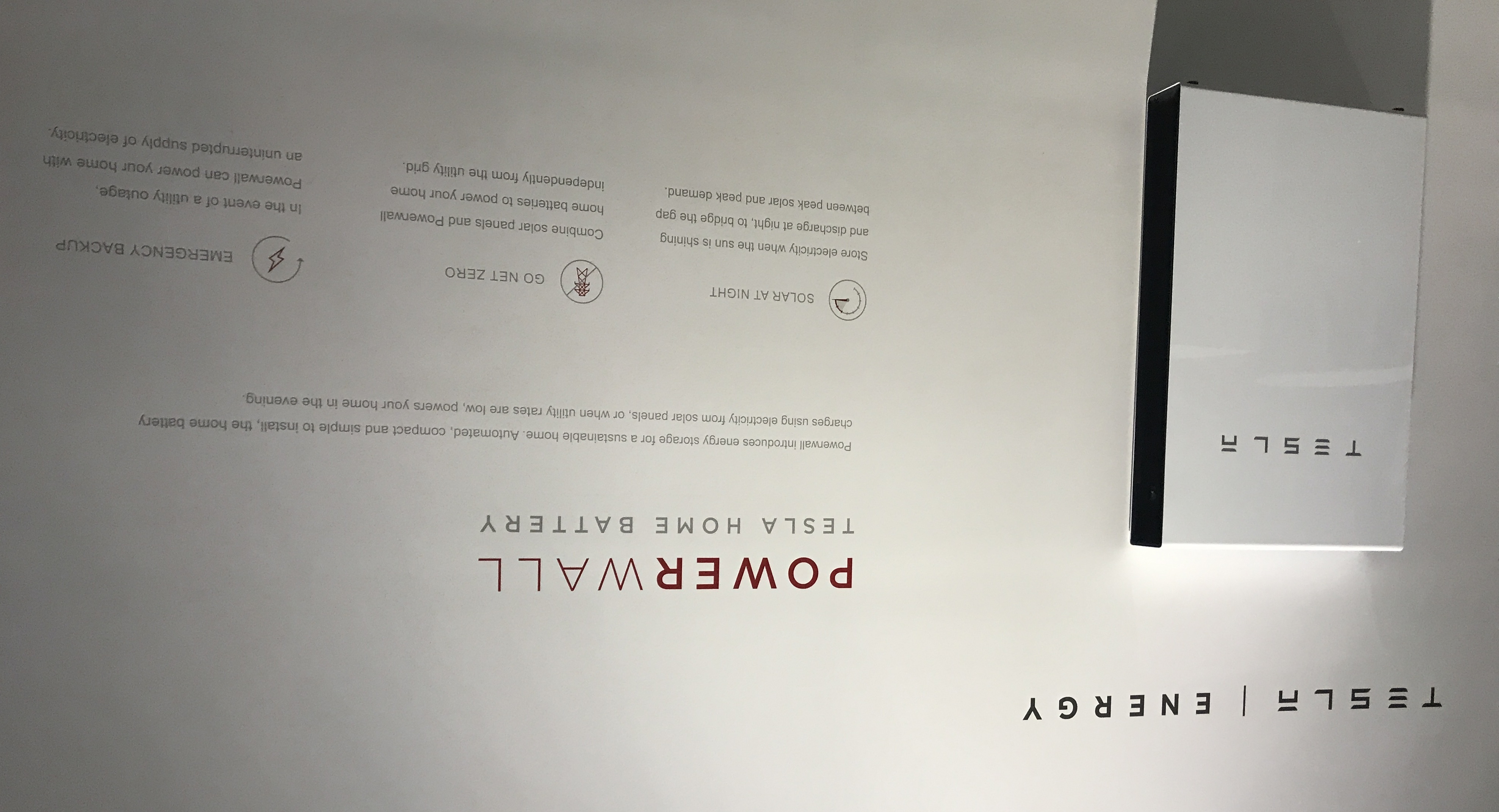
A battery backup system stores electrical energy from solar (or the grid) in advance. It provides power silently, with no emissions, and requires no fuel. Capacity is fixed at installation: a 10 kWh battery can deliver 10 kWh before it is depleted.
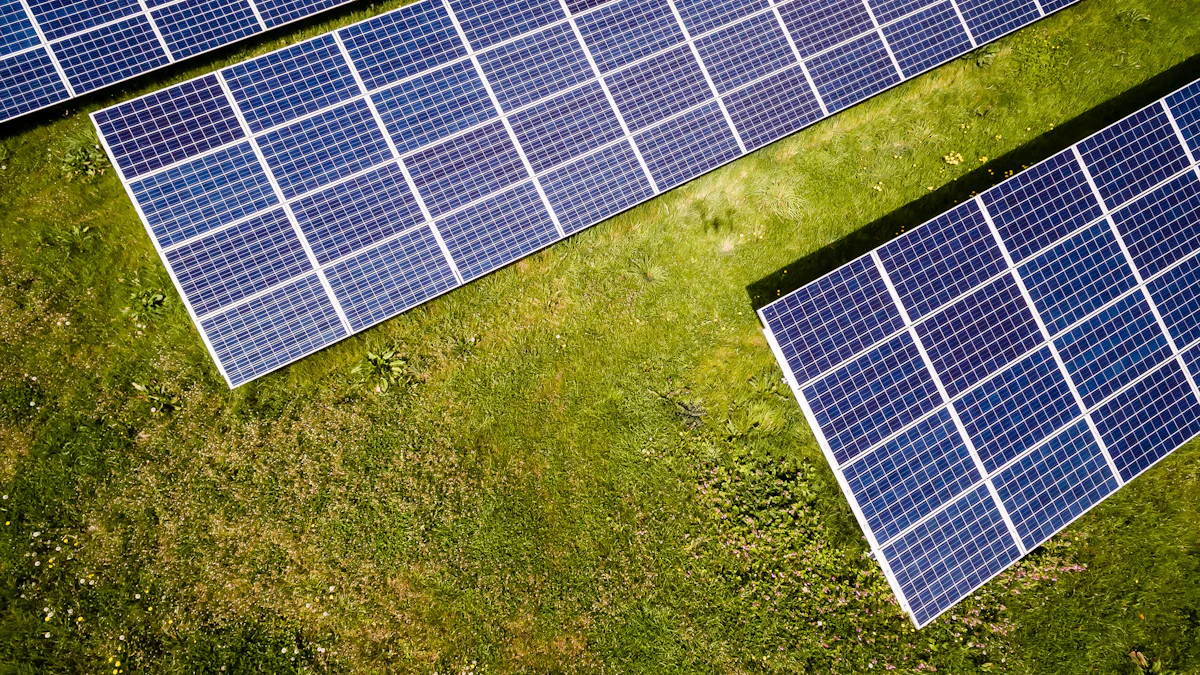
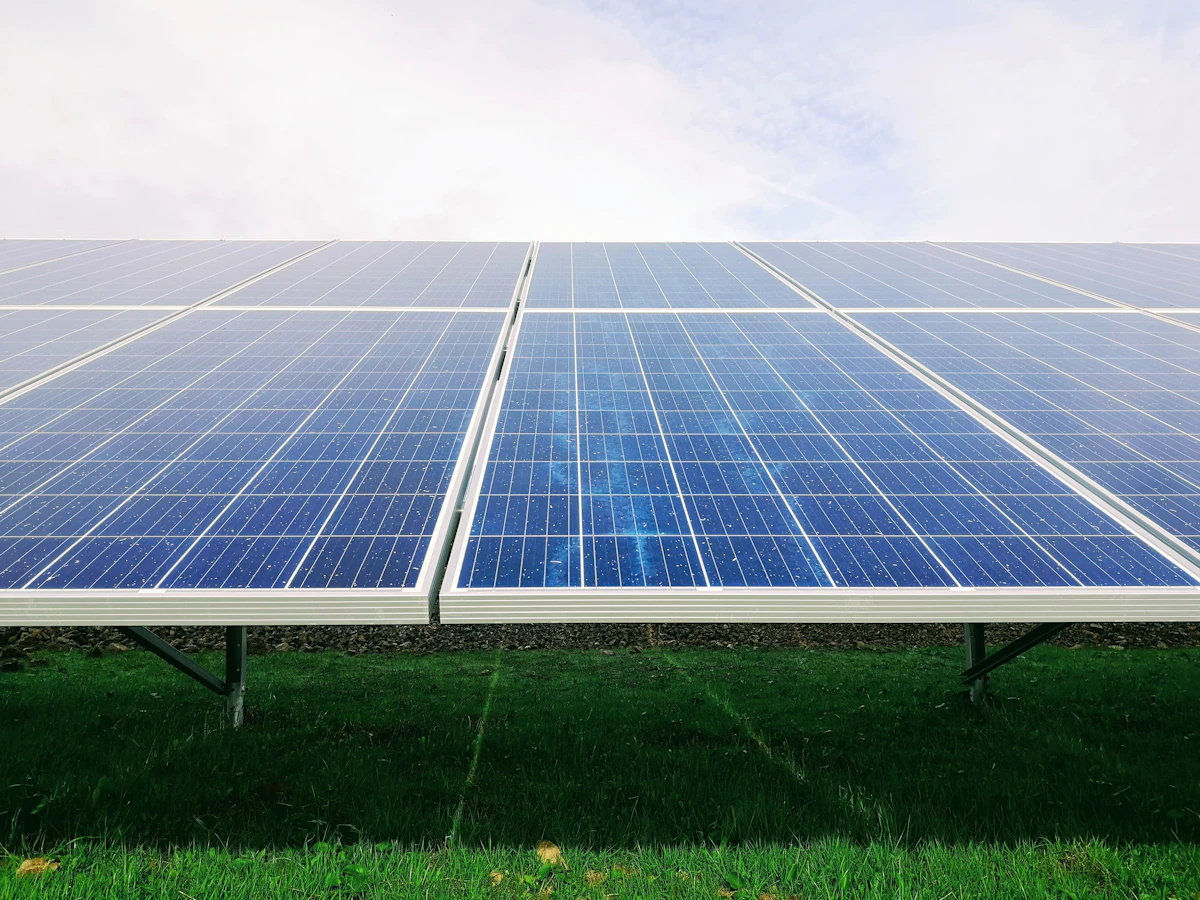
A solar-plus-battery system solves the depletion problem: your panels recharge the battery daily, enabling theoretically unlimited backup duration.
Upfront Cost Comparison
22 kW air-cooled propane standby generator (whole-home):
- Generator unit: $5,000-$7,000
- 250-gallon propane tank (owned): $500-$1,500
- Installation (concrete pad, gas line, automatic transfer switch, electrical): $3,000-$6,000
- Total installed: $9,000-$15,000
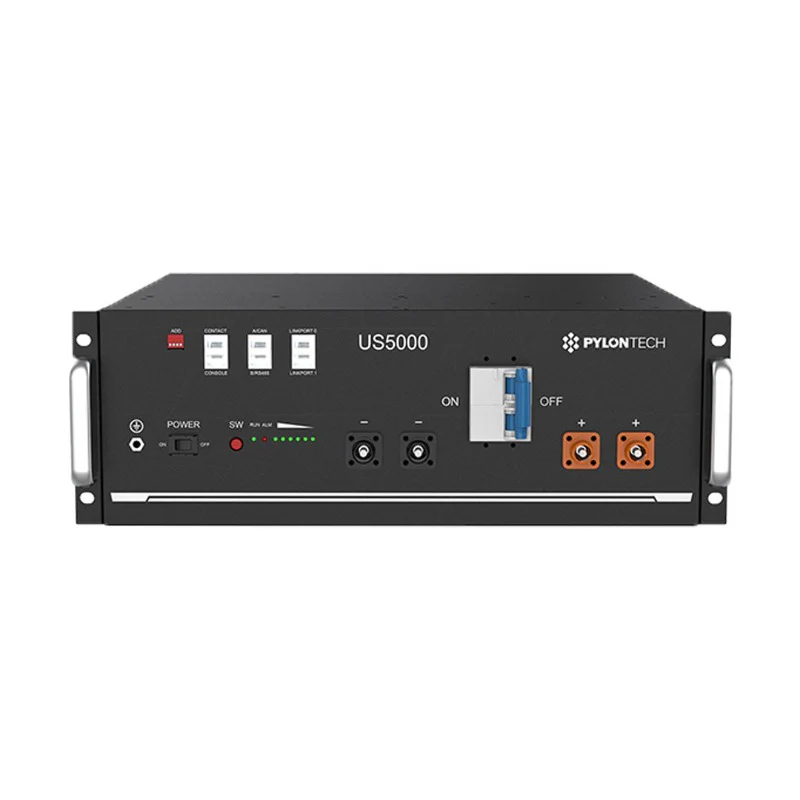
10 kWh LiFePO4 battery backup system (critical loads): - Battery (e.g., Pylontech US5000B 4.8 kWh x 2 in parallel): $3,200-$4,500
- Hybrid inverter with automatic transfer switch: $2,500-$4,000
- Electrical installation: $1,500-$3,000
- Total installed: $7,200-$11,500 (or $5,000-$8,000 after 30% ITC if solar-charged)
10-Year Operating Costs
Standby generator:
- Propane consumption: a 22 kW generator burns approximately 2 gallons/hour at 50% load
- At 100 hours of runtime/year x 2 gal/hr x $3.50/gal = $700/year in fuel
- Annual maintenance (oil, air filter, spark plug, dealer service): $200-$400/year
- 10-year total operating cost: $9,000-$11,000
10 kWh Solar-plus-battery backup: - Operating cost: near zero (solar panels produce free electricity for recharging)
- Battery replacement at 10 years: potentially needed at $2,500-$3,500
- 10-year total operating cost: $0-$3,500
Real-World Performance Comparison
| Scenario | Generator | Battery + Solar |
|---|
| ---------- | ----------- | ----------------- |
| Typical 2-4 hour outage | Excellent | Excellent -- silent |
|---|
| 12-hour overnight outage | Excellent | Good if battery greater than 15 kWh |
|---|
| 3-day outage (solar available) | Good (fuel concern) | Excellent -- solar recharges daily |
|---|
| 3-day outage (cloudy) | Excellent if propane full | Poor |
|---|
| Daily partial grid outages | Very poor | Excellent |
|---|
| Silent operation required | No (loud) | Yes |
|---|
| Emergency heating | Excellent (any load) | Limited (critical loads only) |
|---|
Which Is Right for You?
Choose battery backup if:
- You have or plan to install solar panels
- Your outages are typically less than 24 hours
- You want to protect critical loads (refrigerator, lighting, internet, medical equipment)
- Noise and fuel logistics are concerns
Choose a standby generator if: - You have no solar and no plans to install it
- You need whole-home coverage including HVAC (a central air conditioner requires 3,500-5,000W)
- You experience multi-day outages regularly (blizzard-prone regions)
The ideal combination: A 10-30 kWh solar battery covers 95% of outage scenarios silently. A modest 7-12 kW propane generator handles the remaining 5% -- extended cloudy winter outages. This combination is typically cheaper than a whole-home 22 kW generator alone, and dramatically reduces fuel cost.