Solar Panel Efficiency Ratings Explained: What 21%, 23%, and 25% Really Mean
What Efficiency Measures
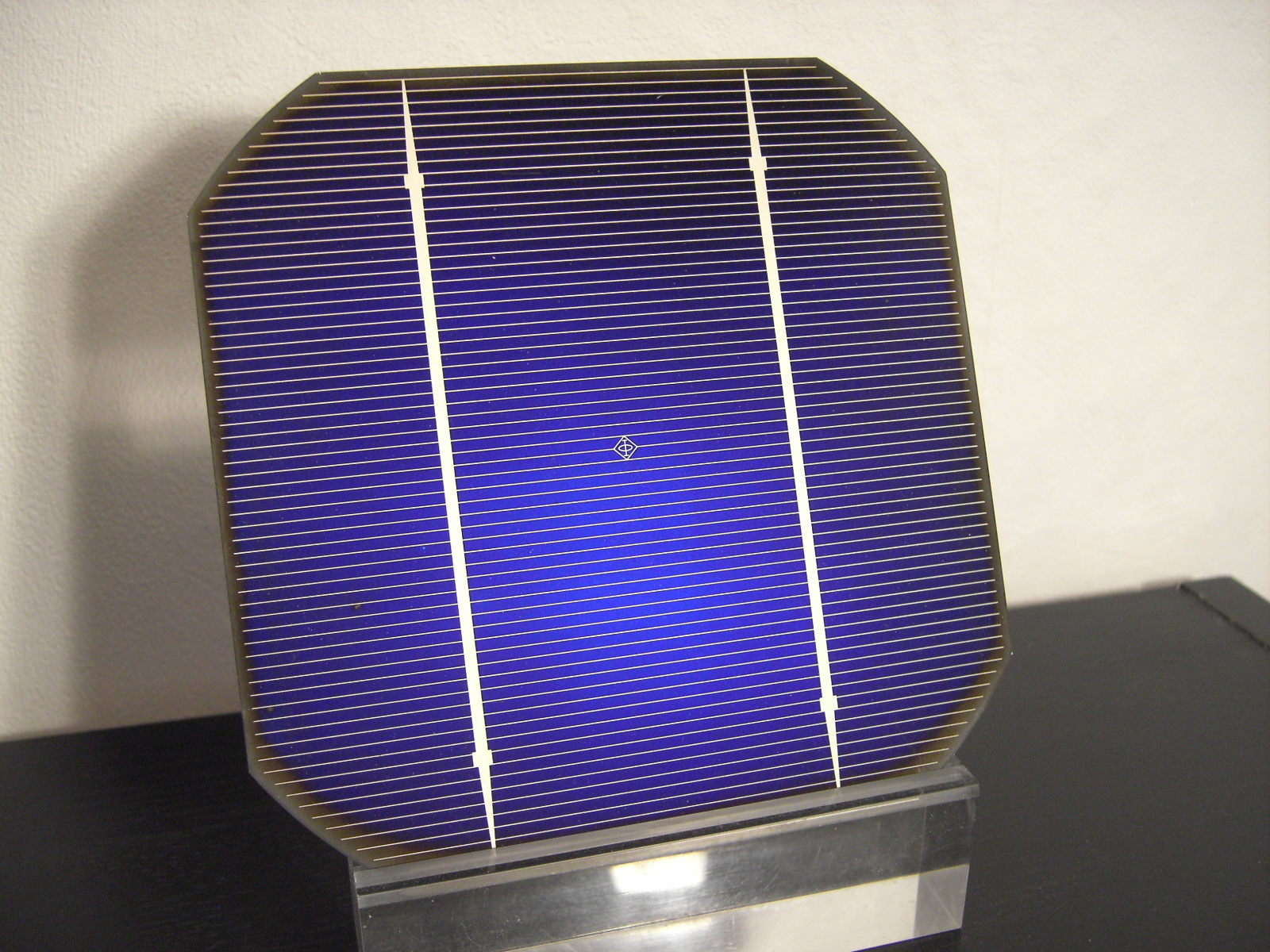
Solar panel efficiency is the ratio of electrical power output to the total solar power striking the panel surface area, measured under Standard Test Conditions (STC): irradiance of 1,000 W/m2, cell temperature of 25 degrees C, and an air mass spectrum of AM1.5G.
Formula: > Efficiency (%) = Power output (W) divided by (Panel area (m2) x 1,000 W/m2) x 100
A 400W panel measuring 1.7 m2 has an efficiency of approximately 23.5%.
This number tells you how much space is required to produce a given amount of power. It does not directly tell you how much energy the panel will produce on your roof.
Why Efficiency Matters (and When It Does Not)
Space-constrained installations: If you have limited roof area, efficiency is critical. A jump from 21% to 25% efficiency means fitting 19% more power in the same footprint. On a 300 sq ft south-facing roof section, 21% panels might fit 8 kW; 25% panels would fit 9.5 kW.
Unlimited roof space or ground mount: Efficiency is largely irrelevant. A 7.5 kW system from ten 25%-efficient panels or twelve 21%-efficient panels produces the same annual energy. The 21% panels cost less per watt.
Efficiency vs. Temperature Coefficient
Efficiency at STC is not efficiency on your roof in summer. Real-world panel temperature frequently reaches 50-70 degrees C on a hot day. Every degree above 25 degrees C reduces output according to the temperature coefficient:
| Technology | Temperature Coefficient |
|---|
| Standard P-Type PERC | -0.34% to -0.40%/degC |
|---|
| N-Type Monocrystalline | -0.26% to -0.30%/degC |
|---|
| HJT (Heterojunction) | -0.24% to -0.26%/degC |
|---|
At 60 degrees C cell temperature (35 above STC), a P-Type panel at -0.37%/degC loses 12.95% of rated power. An HJT panel at -0.25%/degC loses only 8.75%. In hot climates, this specification often matters more than STC efficiency.
The Main Efficiency Technologies
P-Type Monocrystalline PERC (20-22% efficiency) The most common residential panel type. Mature technology with excellent cost/performance ratio. Light-induced degradation (LID) causes 1-2% first-year output loss as cell chemistry stabilises.
N-Type Monocrystalline (22-25% efficiency) N-Type cells use phosphorus-doped silicon and are inherently LID-free -- no first-year degradation. Superior low-light performance. Higher efficiency ceiling. Renogy N-Type panels reach 25% efficiency.
TOPCon (Tunnel Oxide Passivated Contact, 22-24%) Next-generation N-Type variant with very thin tunnelling oxide layer. JinkoSolar Tiger Neo and Longi Hi-MO X6 use TOPCon architecture.
HJT (Heterojunction, 22-25%) Combines amorphous and crystalline silicon. Panasonic EverVolt uses HJT. Exceptional temperature coefficient, best bifacial gain, and lowest degradation rate -- typically less than 0.25%/year vs. 0.45-0.55%/year for PERC.
Practical Buying Decision
For most rooftop installations, N-Type monocrystalline at 22-25% efficiency offers the best combination of efficiency, cost, and longevity. The elimination of LID and superior temperature coefficient make real-world output measurably better than PERC.
Pay for efficiency when:
- Your roof space is limited
- Your location has very high temperatures
- You want the lowest long-term degradation
- You have abundant roof or ground space
- You are maximising system size within a budget